Economics

ECNEC Approves 100MW Solar Project for Gilgit-Baltistan

Download IPFS

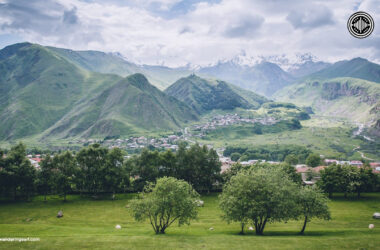
The Executive Committee of the National Economic Council approves a 100-megawatt solar power project for Gilgit-Baltistan, fulfilling Prime Minister Shehbaz Sharif’s pledge to address the region’s energy crisis.

On August 9, 2025, the Executive Committee of the National Economic Council (ECNEC) greenlit a 100-megawatt solar photovoltaic power project for Gilgit-Baltistan, a significant step toward alleviating the region’s chronic energy shortages. According to Dawn, the approval came just days after Prime Minister Muhammad Shehbaz Sharif announced the initiative during a visit to Gilgit, where he also unveiled a Rs4 billion relief package for flood-affected areas. The project, already cleared by the Central Development Working Party (CDWP), will commence immediately and is expected to be completed within three years at a cost of Rs24.957 billion.

The initiative will deliver clean energy across multiple districts, including Astore, Darel, Tangir, Diamer, Ghanche, Ghizer, Gilgit, Hunza, Ishkoman, Nagar, Roundu, Skardu, and Shigar. Business Recorder reported that the project will roll out in three phases: Skardu will receive 18.958 megawatts in the first phase, followed by Hunza (6.005 megawatts), Gilgit (28.013 megawatts), and Diamer (13.126 megawatts) in the second phase, with the remaining districts sharing 16.096 megawatts in the third phase. Additionally, 18.162 megawatts of off-grid electricity will power hospitals and government offices, easing pressure on critical infrastructure, as noted by The Express Tribune.

Gilgit-Baltistan’s heavy reliance on hydropower leaves it vulnerable to prolonged outages during winter, when freezing temperatures halt generation, with blackouts lasting up to 21 hours daily, per HUM News. This solar project aims to reduce dependence on costly fossil fuels and provide reliable energy to residents and businesses. Prime Minister Sharif, during his November 2024 visit to inaugurate a model village in Ghizer, had pledged swift action to address these power shortages, a commitment now realized through ECNEC’s approval, according to The Nation.

The development underscores Pakistan’s push for sustainable energy solutions in remote regions. By investing in solar power, the government aims to bolster energy security, support public services, and drive economic growth in Gilgit-Baltistan, ensuring a brighter, more stable future for its residents.

Leave a Comment

Your email address will not be published. Required fields are marked *

*

OPENVC Logo OpenVoiceCoin $0.00
OPENVC

Latest Market Prices

Bitcoin

Bitcoin

$89,701.31

BTC -0.01%

Ethereum

Ethereum

$3,047.62

ETH 0.24%

NEO

NEO

$4.15

NEO 0.88%

Waves

Waves

$0.71

WAVES 3.93%

Monero

Monero

$388.16

XMR -1.41%

Nano

Nano

$0.80

NANO 1.46%

ARK

ARK

$0.29

ARK -0.79%

Pirate Chain

Pirate Chain

$0.23

ARRR -1.59%

Dogecoin

Dogecoin

$0.14

DOGE 1.09%

Litecoin

Litecoin

$82.54

LTC 2.59%

Cardano

Cardano

$0.42

ADA 1.38%

Subscribe to Blog via Email

Enter your email address to subscribe to this blog and receive notifications of new posts by email.